


Blog
Heat Pump vs. Geothermal: Which Is Better for Your Oklahoma City Home?
For most of the year, summer temperatures in Oklahoma City and across central Oklahoma can climb into the 90s. Winter, however, brings sudden cold snaps. Because of these swings, many OKC homeowners are turning to heat pumps and geothermal systems to keep their homes comfortable year-round. Both are great options for providing home comfort, but the question is then, “Which is better, heat pump or geothermal?”
The experts at Suntech have broken down each of these heating options, what they excel at, and where they fall short. With one quick read, you’ll find the perfect fit for your heating and cooling needs.
Understanding Heat Pumps and Geothermal Systems
What Is a Heat Pump?
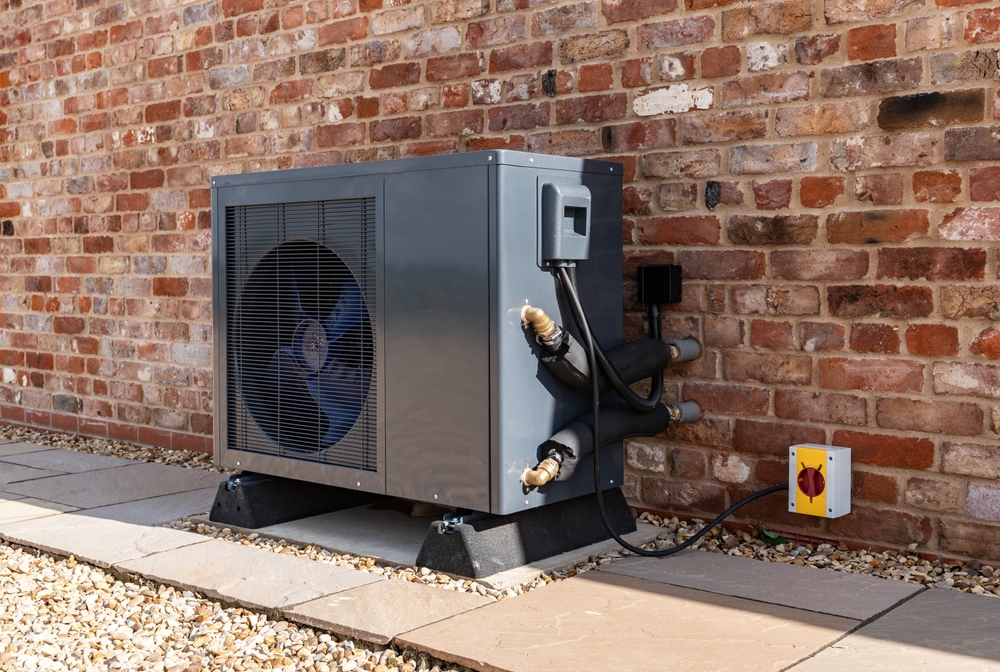
A heat pump is a heating system that provides warm air into your home by extracting it from the outside air. With the cooling option, the pump reverses the process by moving the inside air of your home to the outside. This process is done with air source units that circulate the air through your ductwork. Another option for homes without ducts is ductless mini-splits.
The major benefit of a heat pump is that the heating and cooling capabilities provide efficient temperature control for homes in mild climates. Whether it's a hot summer or a cool winter, a heat pump provides the heating or cooling needed for a comfortable home. Additionally, the cost of the unit tends to be more affordable in contrast to a geothermal unit, along with having a much simpler installation process.
The downside to heat pumps is that they weaken when operating in extreme temperatures. When it becomes too hot or too cold outside, the heat pump is not able to efficiently extract and transfer heat energy, resulting in much more lackluster heating and cooling. This, unfortunately, can be the case during Oklahoma’s hot summers and occasional winter freezes.
What Is a Geothermal System?
The simple way to look at a geothermal system is as a ground-based alternative to an air-source heat pump.
The system, typically located in areas like a garage, circulates liquid through pipework that is 300 ft underneath the ground. The pipes, called loops, absorb temperatures from the ground, to which the liquid circles back into the pump. The energy from the liquid is converted and circulated in the home as heat; to cool, heat is extracted back into the liquid, which is then cooled into the ground and circulated back into the home.
The underground system provides plenty of benefits for homeowners. The biggest benefit is that it is a much more eco-friendly option compared to other heating systems. This is due to the heating or cooling process utilizing a natural energy source. Additionally, ground-source heating and cooling provides long-lasting efficiency and much lower operating costs when compared to other HVAC systems.
The biggest downside of a geothermal system is the cost. The upfront cost of a system can cost you thousands of dollars, making it quite a steep investment at first. However, this is balanced over time, as efficient energy usage and eco-friendliness can provide substantial savings on your utility bills later on.
Heat Pump vs Geothermal: A Side-by-Side Comparison
| Feature | Heat Pump | Geothermal |
| Initial Cost | Lower upfront investment | Higher installation cost |
| Efficiency | Good but affected by extreme temperatures | More efficient year-round |
| Lifespan | 15-20 years | 25+ years |
| Maintenance | Regular upkeep needed | Minimal maintenance |
| Eco-Friendliness | Uses electricity but still reduces carbon footprint | Most environmentally friendly option |
| Space Requirements | Requires an outdoor unit | Requires underground loop system |
Which System Is Best for Oklahoma City Homes?
Both systems are great for different needs. The preferred heating system can be narrowed down to a few key factors:
Climate Considerations
Oklahoma City experiences fluctuating temperatures throughout the year, which can affect the efficiency of a traditional heat pump. In more extreme temperatures, geothermal systems tend to perform more consistently because they rely on stable underground temperatures rather than outside air.
Budget Factors
The choice often comes down to how much you are willing to spend upfront. A heat pump has a more cost-effective initial price, while a geothermal system can provide better long-term savings over time.
Home Suitability
The underground loops required for a geothermal system need adequate yard space. If a homeowner lacks the available space, such as on a smaller lot or in a more urban setting, a traditional heat pump may be the better fit.
Energy Savings & Tax Incentives
Both systems may qualify for rebates and incentives depending on the installation. For Oklahoma City homeowners, geothermal system installations may be eligible for a federal tax credit of up to 30%, which can make them a more attractive long-term investment.
Suntech: Your Trusted HVAC Experts in Oklahoma City
Suntech has been a trusted Oklahoma City service provider for over 30 years, helping homeowners throughout OKC, Edmond, Yukon, Moore, and the surrounding areas. In our long-standing history as an HVAC contractor, we have built trust among our customers through extensive experience with HVAC and plumbing systems.
For heat pumps and geothermal installations, we want to deliver the best possible HVAC experience for our customers. Suntech offers free consultations for homeowners who are unsure which system best fits their heating and cooling needs. We break down the most practical and affordable options and provide seamless installation tailored to your home. Beyond installation, our experts also provide reliable repair and maintenance solutions for both heat pumps and geothermal systems. Our team works with precision and care to restore your system to optimal working condition.
By calling Suntech, you are putting your HVAC system in the hands of specialists who aim to exceed expectations. With our team, we live by the motto, “Do the best job we know how to do, each and every time.”
Decidng Between Heat Pump vs Geothermal in OKC
If you can’t decide what’s best for your home, start by considering a few key factors. Heat pumps excel as a more affordable upfront installation and provide strong efficiency during milder temperatures. Geothermal systems, while more expensive upfront, can offer long-lasting efficiency in more extreme temperatures while also being more eco-friendly.
To better understand the best fit for your home, it’s always smart to consult a professional. Suntech’s HVAC experts offer free consultations and assessments of your home’s heating and cooling needs. We’ll break down the details and help you find the most effective and affordable option. Ready to upgrade your home’s HVAC system in Oklahoma City? Contact the Suntech team today for expert advice.
Frequently Asked Questions
Heat pump installations work well to combat Oklahoma’s climate. Heat pumps work well as they provide both heating and cooling for homeowners while also providing excellent energy efficiency. This provides a perfect option for Oklahoma homeowners who need cooling for most of the year but need swift heating when things get cold.
The downside for Oklahoma homeowners is that heat pumps do not do well in extreme temperatures, resulting in a steep upfront cost and possibly irritating owners who are sensitive to noisy operations.
An average geothermal system’s cost can range between 10,000 to 30,000 versus a traditional heat pump, which can cost anywhere from $3,500 to $20,000. The disparity between the prices comes from the more labor-intensive installation of a geothermal system. The process includes digging trenches or wells to install the proper piping.
Upgrading your home’s heating system to a modern geothermal system can increase your home’s value. The reason for this is that modern systems not only provide more efficient heating and cooling but lean towards being more eco-friendly, which makes for draws for prospective home buyers.
Yes, there is. Homeowners who install a geothermal system are eligible for a 30% tax credit. This credit is under the Inflation Reduction Act Residential Energy Efficient Property Credit, which is for Energy Star-rated Geothermal pumps in service by January 1st, 2033.