


Blog
Why Is My AC Not Cooling Even Though It's Still Running?
Few home comfort problems are more frustrating than hearing your air conditioner run while the temperature inside keeps climbing. If your AC is running but not cooling, the most common causes include an incorrect thermostat setting, dirty air filter, blocked outdoor condenser, frozen evaporator coil, tripped outdoor-unit breaker, low refrigerant, or equipment failure. Oklahoma City homeowners can safely check the thermostat, filter, breaker, vents, and outdoor unit, but refrigerant, electrical, and internal mechanical problems require professional AC repair.
In Oklahoma City and throughout the OKC metro, an AC problem can become urgent during periods of extreme summer heat. Identifying the warning signs early can help protect your system, prevent additional damage, and restore comfortable indoor temperatures faster.
Key Takeaways
- Start by confirming that the thermostat is set to “Cool” and the fan is set to “Auto.”
- Replace a dirty air filter and make sure supply and return vents are open and unobstructed.
- If the outdoor unit is not running, check its breaker once—but do not repeatedly reset a breaker that continues tripping.
- Ice, hissing sounds, weak airflow, short cycling, or recurring cooling problems require professional diagnosis.
- Oklahoma City’s heat, wind, cottonwood, grass clippings, and storm debris can increase AC strain and obstruct outdoor coils.
Table of Contents
- What to Check When Your AC Is Running but Not Cooling
- Common Questions About an AC That Is Not Cooling
- When to Call an AC Repair Professional
- Why AC Cooling Problems Are Common in Oklahoma City
- How to Prevent Common AC Problems
- What to Do if Your AC Fails During Extreme Heat
- Schedule AC Repair in Oklahoma City
What to Check When Your AC Is Running but Not Cooling
Before calling for repairs, complete a few safe checks that may identify a simple airflow, thermostat, or power problem.
- Check the thermostat. Confirm that it is set to “Cool,” the desired temperature is lower than the current room temperature, and the fan is set to “Auto.” If the fan is set to “On,” it may circulate room-temperature air between cooling cycles.
- Inspect the air filter. Replace a dirty or heavily clogged filter with the correct size and type for your system.
- Check the vents. Make sure supply vents and return grilles are open and not blocked by furniture, rugs, curtains, or other objects.
- Look at the outdoor unit. Check whether the condenser is running and whether leaves, cottonwood, grass clippings, or other debris are restricting airflow around it.
- Check the circuit breakers. A split HVAC system may have separate circuits for the indoor and outdoor equipment. If an AC breaker has tripped, reset it only once. Call a professional if it trips again.
- Look for ice or excess water. Ice on refrigerant lines or indoor equipment may indicate restricted airflow, a refrigerant issue, or another malfunction.
Do not remove equipment panels, touch electrical components, open refrigerant lines, or reach inside a running outdoor unit. If the basic checks do not restore cooling, the system needs professional diagnosis.
Common Questions About an AC That Is Not Cooling
Why Is My Air Conditioner Blowing Warm Air?
If your air conditioner is blowing warm or room-temperature air, first confirm that the thermostat is set to “Cool” rather than “Fan” and that the selected temperature is below the indoor temperature. A fan set to “On” will continue moving air even when the system is not actively cooling.
Other possible causes include:
- A dirty air filter restricting airflow
- A frozen evaporator coil
- A tripped breaker or loss of power to the outdoor unit
- A dirty or obstructed condenser coil
- Low refrigerant caused by a leak
- A failed capacitor, contactor, compressor, or fan motor
- A thermostat or control problem
You can replace the filter and check the thermostat and breaker. Refrigerant, electrical, and mechanical problems should be handled by an HVAC professional.
Why Is My AC Running but Not Cooling Enough?
An air conditioner may still produce cool air without lowering the home to the desired temperature. This can happen when the system cannot remove heat as quickly as it enters the house.
Possible causes include:
- Restricted airflow from a dirty filter or blocked return
- Dirty indoor or outdoor coils
- Low refrigerant
- Leaking or poorly insulated ductwork
- A malfunctioning compressor or fan
- An undersized or aging AC system
- Excess heat entering through windows, air leaks, or insufficient insulation
During extreme Oklahoma City heat, a properly operating system may run longer than usual. However, it should still produce noticeably cool air and make progress toward the thermostat setting. If the indoor temperature continues rising or the system cannot recover after outdoor temperatures fall, schedule an inspection.
Can a Thermostat Cause the AC Not to Cool?
Yes. The thermostat tells the cooling system when to operate. Incorrect settings, weak batteries, loose wiring, calibration problems, or a malfunctioning sensor can prevent proper cooling.
Check that:
- The thermostat is set to “Cool.”
- The fan is set to “Auto.”
- The set temperature is below the current indoor temperature.
- The display is working and the batteries are fresh, if applicable.
- No schedule, energy-saving mode, or smart-home setting is overriding your selection.
The thermostat should not be affected by direct sunlight, drafts, nearby heat-producing appliances, or supply vents. These conditions can cause inaccurate temperature readings and uneven system operation. If the display and settings appear normal but the AC does not respond correctly, the thermostat or another control component may need professional testing.
How Can I Tell if My AC Has a Refrigerant Leak?
Refrigerant does not normally get “used up.” If a system is low on refrigerant, there may be a leak that needs to be located and repaired.
Possible signs include:
- Warm air or reduced cooling
- Long cooling cycles
- Ice on the refrigerant line or indoor coil
- Hissing or bubbling sounds
- Higher electricity usage
- Poor cooling that returns after refrigerant has previously been added
Do not attempt to add refrigerant yourself. Refrigerant work requires specialized tools, training, and proper handling. Simply adding refrigerant without addressing the leak may provide only temporary relief.
Can a Dirty Air Filter Stop the AC From Cooling?
Yes. A clogged filter limits the amount of air moving through the system. Reduced airflow can cause weak cooling, longer operating cycles, higher energy use, and ice formation on the evaporator coil.
Many filters need replacement every one to three months, but the right schedule depends on:
- Filter type and thickness
- Manufacturer instructions
- Pets in the home
- Indoor dust levels
- Allergies or indoor air quality needs
- How frequently the HVAC system runs
Oklahoma City’s long cooling season and periods of heavy system use may make more frequent filter checks necessary. Install the replacement in the direction indicated by the airflow arrow, which typically points toward the blower or air handler.
Can a Circuit Breaker Cause the AC to Run Without Cooling?
Yes. Central air conditioners often use separate electrical circuits for indoor and outdoor equipment. The indoor blower may continue circulating air even if a tripped breaker has stopped the outdoor condenser from cooling it.
If a labeled AC or condenser breaker appears tripped:
- Turn the thermostat off.
- Move the breaker completely to the “Off” position.
- Reset it to the “On” position.
- Turn the thermostat back to “Cool” and monitor the system.
Only reset the breaker once. A breaker that trips again may indicate an electrical fault, failing motor, compressor problem, or other unsafe condition. Leave it off and contact an HVAC professional. Do not open the outdoor disconnect or equipment panels unless you are trained to work on electrical systems.
What Should I Do if the Condenser Coils Are Dirty?
The outdoor condenser releases heat collected from inside the home. When dirt, cottonwood, leaves, or grass clippings obstruct the coil, the AC may run longer and cool less effectively.
Homeowners can complete light exterior cleaning by:
- Turning off the thermostat and power to the unit before cleaning
- Removing loose leaves and debris from around the cabinet
- Keeping plants and stored items away from the unit
- Using a garden hose with gentle water pressure when appropriate
Never use a pressure washer. High-pressure water can bend the delicate condenser fins and further restrict airflow. Avoid opening the unit or applying household cleaners. For detailed instructions, read our guide to cleaning an outside HVAC unit, or schedule professional maintenance if the coil is heavily clogged.
Could a Malfunctioning Fan Be Why My AC Is Not Cooling?
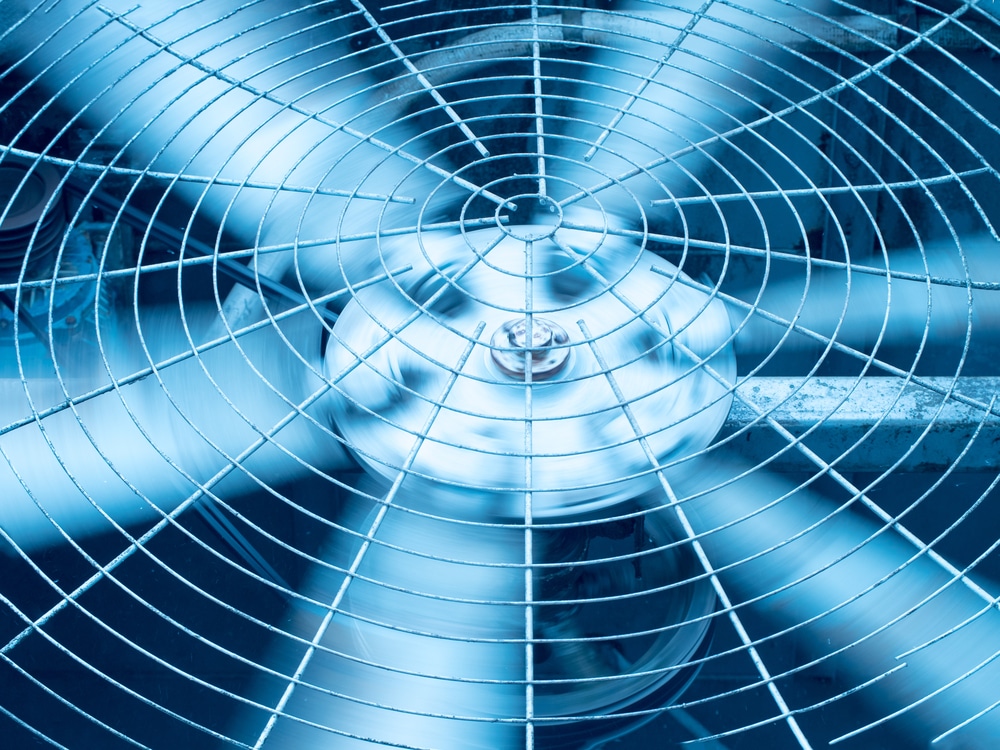
Yes. The indoor blower moves conditioned air through the ducts, while the outdoor fan helps release heat through the condenser. A problem with either fan can reduce or stop cooling.
Warning signs include:
- Weak or nonexistent airflow from the vents
- An outdoor unit that hums without its fan spinning
- Grinding, rattling, squealing, or clicking sounds
- Intermittent operation
- Ice on the refrigerant line or indoor coil
- The system shutting down unexpectedly
Do not push the outdoor fan blades or reach through the grille. Fan motors, capacitors, wiring, and control problems require professional diagnosis.
Can Leaky Air Ducts Cause Poor Cooling?
Yes. Supply-duct leaks can allow cooled air to escape into an attic, wall cavity, crawl space, or other unconditioned area before it reaches the rooms. Return-duct leaks can pull hot, dusty, or humid air into the system.
Possible signs of duct leakage include:
- Uneven room temperatures
- Weak airflow in certain parts of the home
- Hot or cold areas despite long system cycles
- Unusually dusty indoor air
- Higher energy bills
- Visible loose or damaged duct connections
You can look at accessible ductwork for obvious gaps or disconnected sections, but a complete evaluation may require professional testing. Air duct cleaning removes certain contaminants from ducts, while duct sealing or repair addresses air leakage. These are different services, so the underlying problem should be diagnosed before selecting a solution.
Why Does My AC Keep Cycling On and Off?
When an air conditioner starts and stops after unusually short periods, it is often described as short cycling. Possible causes include:
- A clogged air filter
- A dirty condenser
- A frozen evaporator coil
- Low refrigerant
- A thermostat or sensor problem
- An electrical or control failure
- An oversized air conditioner
Short cycling increases wear and may prevent the system from cooling or controlling humidity effectively. Replace a dirty filter and make sure the outdoor unit is unobstructed. If the behavior continues, turn the system off and schedule service rather than allowing it to repeatedly restart.
Why Is There Ice on My Air Conditioner?
Ice does not mean the AC is producing extra cooling. It usually means that airflow or refrigerant conditions have caused the indoor coil to become too cold.
Common causes include:
- A dirty air filter
- Blocked return or supply vents
- A failing blower motor
- A dirty evaporator coil
- Low refrigerant
Turn cooling off to prevent compressor damage. You may set the thermostat fan to “On” to help thaw the coil if airflow is still present, but do not chip or scrape away the ice. Check the filter and arrange professional service if the cause is not obvious or the freezing returns.
When to Call an AC Repair Professional
Call for professional AC repair if basic thermostat, filter, vent, and breaker checks do not restore cooling.
You should also schedule service if:
- The outdoor condenser is not running.
- A breaker trips more than once.
- The system is blowing warm air.
- Airflow is weak throughout the home.
- Ice appears on the coil or refrigerant line.
- You hear hissing, grinding, buzzing, or other unusual sounds.
- The system repeatedly starts and stops.
- Water is leaking around the indoor equipment.
- Several rooms remain hot despite continuous operation.
- The indoor temperature continues rising during operation.
Continuing to operate a malfunctioning AC can turn a smaller problem into compressor damage, water damage, or a complete system shutdown.
Why AC Cooling Problems Are Common in Oklahoma City
Air conditioners throughout Oklahoma City and the surrounding metro face long periods of high demand. Extended summer heat makes systems run for longer cycles, while local wind, dust, cottonwood, grass clippings, and storm debris can accumulate around outdoor equipment.
Common OKC-area challenges include:
- Extended Summer Runtime: Long cooling cycles expose existing maintenance problems and place additional strain on worn parts.
- Cottonwood and Windblown Debris: Lightweight debris can collect against condenser coils and restrict airflow.
- Grass Clippings: Clippings directed toward the condenser during lawn care can form a dense layer along the cabinet.
- Spring and Summer Storms: Power interruptions, surges, wind, and debris may affect HVAC equipment.
- Rapid Weather Changes: Large temperature swings can move an HVAC system between periods of low use and heavy demand.
- Hot Attics: Leaky or poorly insulated ductwork in an attic can contribute to cooling loss and uneven temperatures.
Homeowners in Oklahoma City, Edmond, Norman, Midwest City, Mustang, Yukon, and surrounding communities should inspect outdoor equipment after storms and check filters regularly during periods of heavy AC use.
How to Prevent Common AC Problems
Regular maintenance cannot prevent every breakdown, but it can identify developing problems and help the system operate more reliably during Oklahoma City’s cooling season.
Homeowners can:
- Inspect the air filter monthly and replace it when dirty.
- Keep supply vents and return grilles open and unobstructed.
- Keep leaves, weeds, shrubs, and stored objects away from the outdoor unit.
- Direct mower discharge and grass clippings away from the condenser.
- Use ceiling fans to improve comfort without setting the thermostat extremely low.
- Keep exterior doors and windows closed while the AC is operating.
- Watch for changes in airflow, sound, cycle length, and cooling performance.
- Schedule preventative AC maintenance before peak summer demand.
During a professional tune-up, a technician can inspect the condensate drainage system, coils, electrical components, refrigerant performance, thermostat operation, motors, and airflow. Addressing worn components and developing problems before the hottest part of summer may reduce the risk of an unexpected breakdown.
What to Do if Your AC Fails During Extreme Heat
A cooling failure can become a health concern during an Oklahoma City heat advisory or warning, especially for infants, older adults, people with medical conditions, and pets.
While arranging repairs:
- Close blinds and curtains to reduce heat gain.
- Avoid using ovens, clothes dryers, and other heat-producing appliances.
- Use fans for comfort, but do not rely on fans alone when indoor temperatures become dangerously high.
- Drink water regularly and watch for symptoms of heat illness.
- Move vulnerable household members and pets to an air-conditioned location if the home becomes unsafe.
- Follow local National Weather Service heat alerts and public safety guidance.
Confusion, fainting, loss of consciousness, or very high body temperature may indicate heat stroke. Call 911 immediately and move the person to a cooler location while waiting for help.
Schedule AC Repair in Oklahoma City
Suntech Heat and Air has served the Oklahoma City area since 1986. Our technicians diagnose and repair cooling problems involving airflow, thermostats, electrical components, refrigerant systems, fans, coils, compressors, ductwork, and other HVAC components.
We provide AC repair and maintenance throughout Oklahoma City and the OKC metro, including Edmond, Norman, Midwest City, Mustang, and surrounding communities. If your system is running but not cooling, call Suntech at (405) 785-0950 or schedule AC service online.
For unexpected breakdowns, you can also request emergency HVAC service. Suntech accepts service requests by phone and online at any time, with urgent requests prioritized according to scheduling and technician availability.