


Blog
Why Is My Water Pressure So High?
A sudden change in your home’s water pressure can be surprising—and it may signal a problem worth addressing. If your water pressure is suddenly too high, the most likely causes include a failing pressure-reducing valve, changes in the municipal water supply, or thermal expansion inside a closed plumbing system. Oklahoma City homeowners should test the pressure rather than relying on how forceful the water feels, because consistently high pressure can damage pipes, fixtures, appliances, and water heaters over time. Here we'll cover causes, signs, local issues, and how to fix changes in water pressure.
- Water pressure above 80 PSI is too high for a residential plumbing system and should be addressed.
- A failing pressure-reducing valve is one of the most common causes of suddenly high water pressure.
- Thermal expansion can cause temporary pressure spikes, especially in a closed plumbing system.
- Banging pipes, recurring leaks, running toilets, and appliance problems can all be warning signs.
- A simple pressure gauge can help determine whether your home has consistently high or fluctuating water pressure.
Table of Contents
- Understanding Residential Water Pressure
- What Causes High Water Pressure in a House?
- Signs Your Water Pressure Is Too High
- How to Check Your Home’s Water Pressure
- Water Pressure Problems in Oklahoma City Homes
- How to Fix High Water Pressure
- When to Contact a Professional Plumber
- Schedule Plumbing Service in Oklahoma City
Understanding Residential Water Pressure
Water pressure is the force that moves water through your home’s pipes, faucets, fixtures, and water-using appliances. It is measured in pounds per square inch, or PSI.
Many homes operate comfortably with water pressure between approximately 40 and 60 PSI. Pressure can vary depending on the municipal water supply, the home’s location, household demand, and the condition of its plumbing components.
Residential water pressure should not exceed 80 PSI. When static pressure rises above that level, a pressure-reducing valve is generally needed to bring it within an acceptable range. Even if the stronger flow feels convenient, excessive pressure places unnecessary stress on plumbing connections, supply lines, fixtures, and appliances.
It is also important to distinguish water pressure from water flow. Pressure is the force behind the water, while flow describes how much water moves through a pipe or fixture. A showerhead can feel forceful without the entire home having dangerously high pressure, which is why testing is the best way to confirm a problem.
What Causes High Water Pressure in a House?
If your water pressure has suddenly increased throughout the house, consider what may have recently changed. The problem may originate within your plumbing system or from the water supply entering the property.
Common causes include:
- A failing pressure-reducing valve: A pressure-reducing valve, or PRV, regulates the pressure entering your home from the public water supply. If the valve wears out, becomes stuck, or loses its setting, household pressure can suddenly increase.
- A recent PRV adjustment: If someone recently adjusted or worked near the pressure regulator, its setting may be higher than before.
- Municipal water-supply changes: Utility work, changes in neighborhood demand, pump operation, or adjustments within the public distribution system can affect the pressure delivered to an area.
- Thermal expansion: Water expands as it heats. In a closed plumbing system, that additional volume can temporarily raise pressure if the expansion tank is missing, improperly sized, waterlogged, or no longer functioning correctly.
- Changes in neighborhood demand: Water pressure can be higher during low-demand periods, such as overnight, and lower when more homes are using water.
- The home’s elevation: Properties at different elevations may receive different supply pressures. Homes in areas with higher public water pressure often rely on a PRV to protect their plumbing.
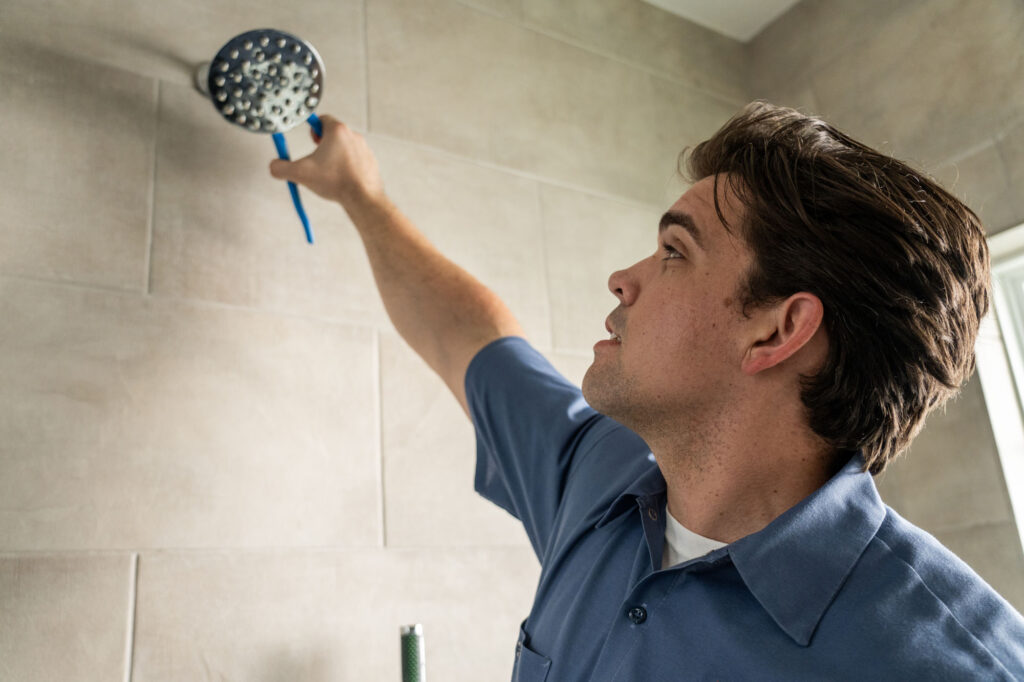
- An inaccurate impression at one fixture: If only one faucet or shower seems unusually forceful, the issue may involve that fixture, aerator, or showerhead rather than the pressure throughout the house.
A sudden increase at every fixture points more strongly toward the incoming supply pressure or pressure regulator. A change isolated to one fixture usually calls for inspecting that fixture first.
Signs Your Water Pressure Is Too High
High water pressure is not always obvious. Some homeowners first notice a stronger shower, while others discover the problem after a fixture or appliance begins leaking.
Potential warning signs include:
- Banging or knocking pipes: Pipes that bang when a faucet, washing machine, dishwasher, or toilet valve shuts off may be experiencing water hammer. High pressure can make the noise and resulting stress worse, although water hammer can have other causes.
- Recurring faucet or toilet problems: Excessive pressure can strain cartridges, seals, fill valves, and other fixture components, contributing to frequent drips or running toilets.
- Leaking supply lines: Flexible connections serving toilets, faucets, washing machines, and dishwashers may deteriorate or fail sooner under excessive pressure.
- Water heater discharge: Water dripping from the temperature and pressure relief valve or collecting near the water heater may indicate a pressure or temperature problem. Never cap or block this safety valve.
- Frequent appliance repairs: Dishwashers, washing machines, refrigerators, ice makers, and water heaters all contain valves and connections that can be affected by excessive pressure.
- Unusually forceful water at several fixtures: Water that sprays or splashes aggressively from multiple faucets may justify a pressure test.
- Higher water bills: More water can pass through an open fixture when pressure is higher, potentially increasing household water use.
These signs do not automatically prove that the water pressure is too high. Testing the system with a gauge can confirm whether pressure is actually contributing to the problem.
How to Check Your Home’s Water Pressure
You can perform a basic water-pressure test with an inexpensive hose-thread pressure gauge. Choose a gauge with a range that extends beyond 100 PSI. A model with a maximum-pressure indicator can also record spikes that occur when you are not watching it.
Follow these steps:
- Make sure no faucets, showers, toilets, washing machines, dishwashers, irrigation systems, or other water-using fixtures are running.
- Locate a hose bib or faucet with a standard threaded connection. An outdoor spigot or washing-machine connection may work.
- Remove any attached hose and screw the pressure gauge securely onto the connection.
- Open the valve completely and read the gauge. This is your home’s static water-pressure reading while no water is being used.
- Record the result and repeat the test at different times of day. Pressure may change as neighborhood demand changes.
- If you have a gauge with a maximum-pressure indicator, leave it connected for several hours or overnight to check for intermittent spikes.
As a general guide:
- Below 40 PSI: The pressure may feel low and could warrant further evaluation if it affects the entire house.
- Approximately 40 to 60 PSI: This is a comfortable operating range for many homes.
- Between 60 and 80 PSI: The pressure is within the upper portion of the residential range and may be worth monitoring.
- Above 80 PSI: The pressure is too high and should be evaluated by a licensed plumber.
A small difference between readings does not necessarily indicate a leak or emergency. Water pressure naturally fluctuates as fixtures operate and demand on the public supply changes. Consistently high readings, large unexplained spikes, or pressure that rises while the water heater runs deserve professional attention.
Water Pressure Problems in Oklahoma City Homes
Water pressure can differ from one Oklahoma City neighborhood to another based on elevation, public water-system conditions, household demand, and the plumbing equipment installed at each property. That means a neighbor’s pressure reading may not match yours, even when both homes receive municipal water.
Homes throughout Oklahoma City and the surrounding OKC metro also vary widely in age. An older home may have an aging regulator, supply lines, shutoff valves, or fixtures that are more vulnerable to pressure-related wear. Newer or updated homes may have closed plumbing systems that require properly functioning thermal expansion control.
Oklahoma City’s seasonal temperature swings can also make water-heater and expansion-tank problems more noticeable. When incoming water is colder, it expands more as the water heater raises its temperature. If a home’s expansion tank is waterlogged or improperly charged, pressure may rise after a heating cycle.
Homeowners in Oklahoma City, Edmond, Norman, Midwest City, Mustang, Yukon, and nearby communities should test their own plumbing systems rather than assuming water pressure is consistent across the metro. If several nearby homes experience a sudden change at the same time, contacting the appropriate water provider can help determine whether utility work or a supply-side issue is involved.
How to Fix High Water Pressure
The correct repair depends on why the pressure increased. Simply restricting flow at an individual faucet will not correct excessive pressure throughout the plumbing system.
Possible solutions include:
- Adjusting a pressure-reducing valve: An existing PRV may need to be professionally adjusted to provide appropriate pressure throughout the home.
- Replacing a failed PRV: If the valve no longer regulates pressure consistently, replacement may be more reliable than repeated adjustments.
- Installing a pressure-reducing valve: A home receiving more than 80 PSI from the water supply may need a properly sized regulator installed on the main water line.
- Servicing or replacing an expansion tank: A waterlogged, damaged, or incorrectly charged expansion tank may be unable to absorb pressure created as water heats.
- Adding thermal expansion control: A plumber can determine whether the plumbing system is closed and whether an expansion-control device is required.
- Addressing water hammer: If banging pipes continue after pressure is corrected, the system may need loose pipes secured or water-hammer arrestors installed near quick-closing valves.
Pressure regulators and expansion tanks must be selected, installed, and configured for the home’s plumbing system. Incorrect adjustment can result in pressure that is still too high—or reduce it enough to create poor performance at fixtures—so these repairs are generally best left to a licensed plumber.
When to Contact a Professional Plumber
Contact a plumber if your gauge consistently reads above 80 PSI or if you notice signs of pressure-related damage. Professional testing is also appropriate when pressure changes dramatically throughout the day or rises after the water heater operates.
Schedule an inspection if:
- Your water pressure suddenly becomes much stronger throughout the house.
- Static pressure is consistently above 80 PSI.
- The pressure continues rising while no fixtures are being used.
- Your pipes bang or shake when appliances or faucets shut off.
- Supply lines, faucets, toilets, or appliance connections repeatedly leak.
- Water drips from the water heater’s temperature and pressure relief valve.
- Your pressure-reducing valve will not hold a consistent setting.
- You are unsure whether your home has a working expansion tank or PRV.
If a pipe or supply line is actively leaking, shut off the nearest fixture valve or the home’s main water supply if you can do so safely. Then contact a professional for prompt plumbing repair.
Schedule Water-Pressure Service in Oklahoma City
High water pressure can waste water and shorten the life of pipes, fixtures, water heaters, and appliances. If your pressure is above 80 PSI or has suddenly changed, Suntech can test the system, identify the cause, and recommend the appropriate repair.
Suntech provides residential and commercial plumbing services throughout Oklahoma City and the OKC metro, including Edmond, Norman, Midwest City, Mustang, Yukon, and surrounding communities.
Call Suntech at (405) 785-0950 or schedule an appointment online for water-pressure testing and plumbing service in Oklahoma City today.
Frequently Asked Questions
A sudden increase throughout the house commonly points to a failing or improperly adjusted pressure-reducing valve, a change in municipal supply pressure, or thermal expansion. Test the static pressure with a gauge to confirm the change before choosing a repair.
Residential water pressure should not exceed 80 PSI. If your static pressure is consistently above 80 PSI, have a licensed plumber inspect the regulator and plumbing system.
Excessive pressure increases stress on pipes, joints, valves, hoses, and appliance connections. It may not cause immediate failure, but it can worsen existing weaknesses and increase the likelihood of leaks or ruptures over time.
The water heater itself does not normally increase the incoming supply pressure. However, water expands as it heats. In a closed plumbing system, a missing or failed expansion tank can allow pressure to rise during the heating cycle.
Some pressure-reducing valves can be adjusted, but making changes without properly testing the system can leave the pressure too high or too low. If the valve is old, damaged, or unable to maintain its setting, it may need replacement rather than adjustment.
If the change affects only one faucet or shower, the cause is more likely related to that fixture, its aerator, cartridge, or showerhead. Whole-house pressure problems typically affect several fixtures.
Yes. Pressure can vary based on the home’s elevation, neighborhood demand, public water-system conditions, and whether the property has a functioning pressure regulator. The most reliable way to assess your home is to test its pressure directly.